
Europe’s factories are changing fastWorkers shouldn’t be left behind
Pushing the boundaries in manufacturing
The goals
EnduRAI is here to change the game with AI and wearable sensing that converge to safeguard and upskill workers on the shop floor.
Empower every worker
Empower workers at all levels in factories, both individuals and teams, through breakthrough augmentation technologies embodying the next stage in human-machine interactions.
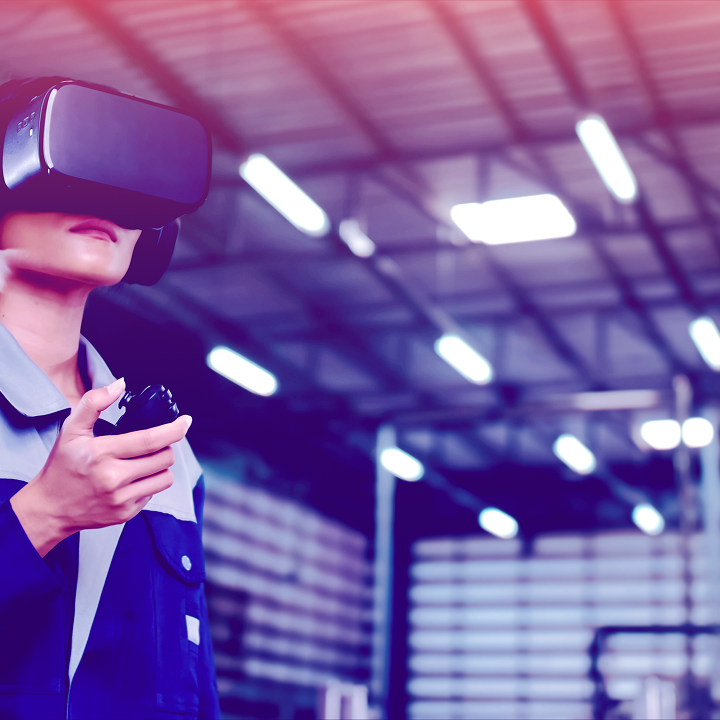
Make manufacturing inclusive and attractive
Enhance, with the help of these technologies and related contributions from SSH (Social Sciences and Humanities), the well-being, safety, and inclusivity of workers in factories, making manufacturing jobs more attractive and retaining talents from new generations.
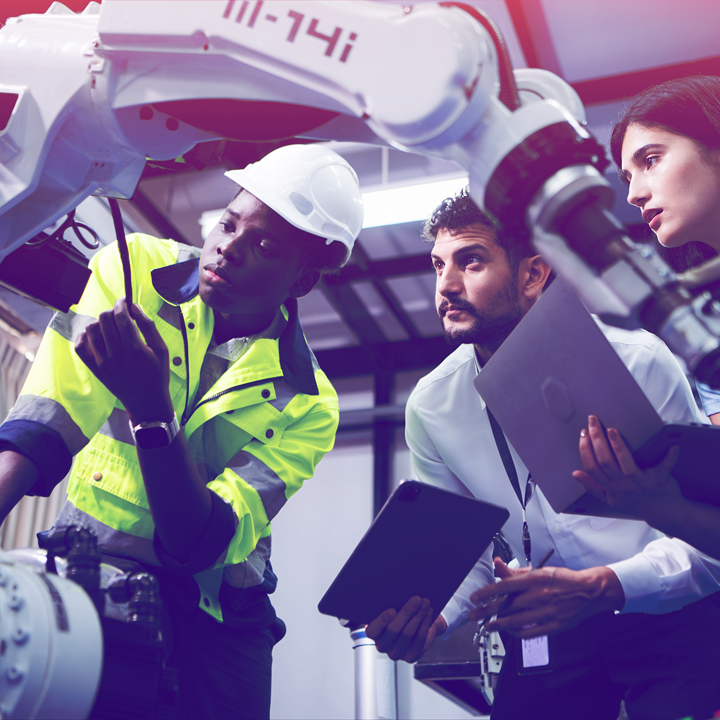
Shape the future of industry 5.0
Foster the human-centric aspect of the Industry 5.0 model, through insights into how technology affects the working environment and organization, and into how technology can support the worker in their career (including the associated meaningful job profiles).
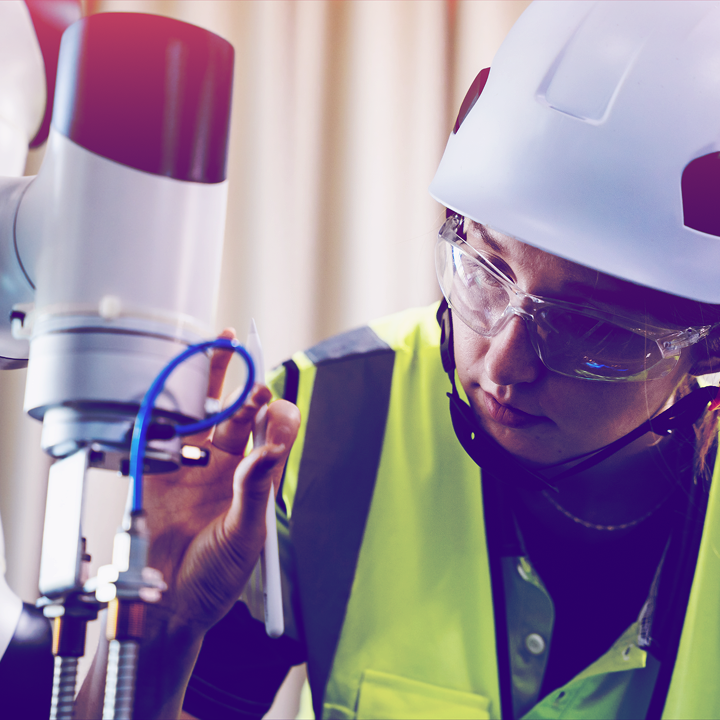
The challenges
EnduRAI addresses critical issues in manufacturing, including manpower shortages, high defect rates, physical exertion on employees and challenges in recruitment of the new generation to industrial jobs.
Bodies under strain
Fatigue, injury, and musculoskeletal stress go undetected. Most monitoring systems are designed around machines, not people. Workers’ physical signals go unnoticed until it’s too late.
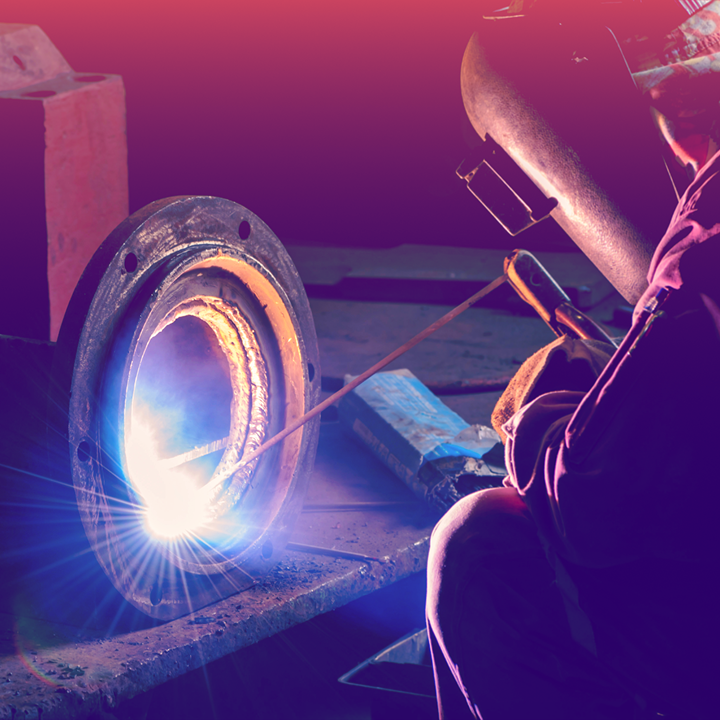
Cognitive overload
AI exists in factories, but serves machine efficiency. Workers face growing mental demands with no adaptive support. The disconnect between AI capability and human need leads to low adoption and missed potential.

A workforce left out
Technologies designed without diversity in mind underperform for women, older adults, and people with disabilities. Young people don’t see manufacturing as an attractive career. Skilled labour is scarce and ageing.
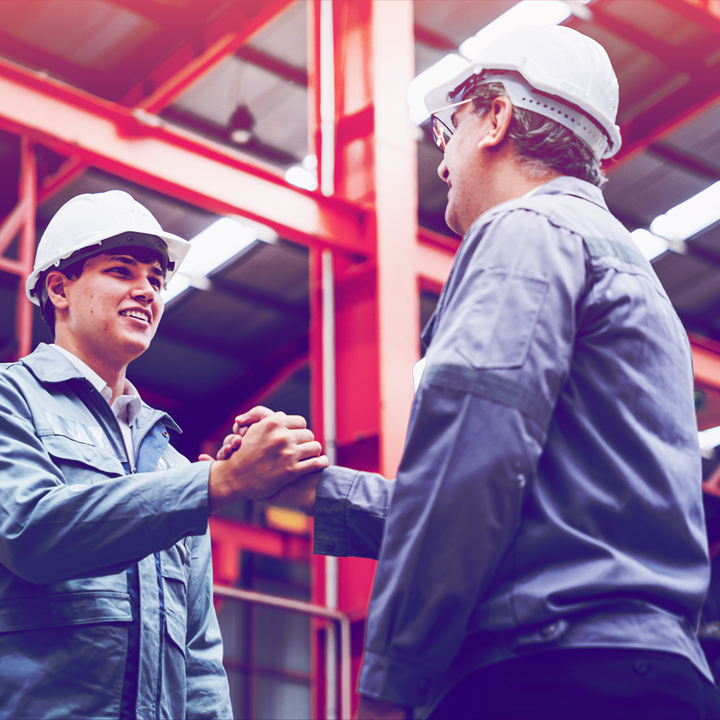
What if the factory could sensehow you are feeling and help?
Introducing our key technologies
sEMG Wristbands

Read muscle activity in real time to detect fatigue, predict movement intent, and prevent injury.
Multimodal AI

Fuses biosignals with shopfloor and production data to give workers and teams context-aware, personalised decision support.
Adaptive interfaces

Tactile, voice and visual dashboards co-designed with workers themselves.
Putting theory into practice
The pilots
Pulley Manufacturing
GOSAN
Operators perform multi-phase cutting, bending, and welding where defects are costly and productivity depends on scarce skilled labour. Fatigue-induced errors, inconsistent quality, and physical strain are daily realities.
sEMG wristbands monitor fatigue, hand stability, and movement intent in real time. Multimodal AI integrates with machine telemetry and inline defect detection to deliver predictive quality scores and adaptive ergonomic feedback, reducing rework, protecting workers, and raising throughput.
Shipbuilding
CEMRE Shipyard
Confined-space welding requires both precision and coordinated teamwork under extreme physical and cognitive strain. Smoke, vibration, poor ventilation, and limited visibility make monitoring nearly impossible. Errors are only found during costly post-process inspection.
sEMG wristbands combined with environmental sensors (O₂, CO, temperature), welding telemetry, and specialist cameras provide a complete picture. Multimodal AI tracks fatigue, torch stability, and weld speed, while supervisors receive aggregated dashboards to enable timely intervention.